Halal Hustle: Thailand's Quest to Become a Global Halal Hub
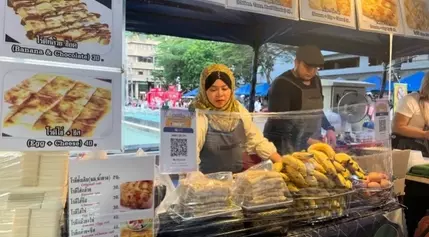
Bangkok, Thailand – Wanitcha Amkham, a Muslim street vendor, rotates her roti stall between the city's bustling food markets, serving up pan-fried dough perfected through generations-old recipes. But as Thailand aims to position itself as a leading halal hub, Amkham and other small-scale operators face challenges in ensuring the authenticity of their halal offerings, which could undermine the country's ambitions.Unlocking the Potential of Thailand's Halal Industry
Halal Certification Conundrum
Amkham has become increasingly concerned about the misuse of the halal label by other street vendors. She recounts an incident where a neighboring fried squid stall displayed a halal sign, but the vendor was caught consuming pork-laced food before returning to sell the squid without proper cleaning. The vendor justified this by claiming that the halal sign helped attract more customers, despite the lack of proper certification.This issue highlights the gaps in halal certification within Thailand's informal markets, which could undermine the country's efforts to establish itself as a reliable halal hub. The Thai government's recent unveiling of a halal industry action plan, aimed at promoting Thai products and bolstering industry standards, is a step in the right direction. However, analysts warn that it will take time for Thailand to gain the same level of credibility and recognition as a halal hub as its regional counterpart, Malaysia.
Tapping into the Growing Halal Market
Thailand's ambitions to capitalize on the growing demand for halal goods follow the footsteps of other countries with small Muslim populations. Non-OIC countries, including Brazil, China, India, and the United States, currently account for more than 80% of halal product imports to the OIC market, according to the 2022 Annual OIC Halal Economy Report.The report forecasts that the Muslim population will increase to three billion by 2060, or about 30% of the global population, presenting a significant opportunity for Thailand to position itself as a key player in the halal industry. The country is already the third-biggest exporter to OIC countries in Southeast Asia, after Malaysia and Indonesia, with halal exports to the OIC market reaching .1 billion during the first eight months of 2023.
Bridging the Halal Certification Gap
While Thailand is home to a substantial number of halal-certified companies, products, and restaurants, the issue of halal certification remains a challenge, particularly for street food vendors. Fuad Gunsun, the vice president of the Thai Muslim Trade Association, acknowledges that street food often falls through the cracks of the certification process due to a lack of understanding, which could affect perceptions of the country's friendliness to Muslim visitors.The fees associated with obtaining halal certification can also be a barrier for small businesses, such as street food vendors. According to the Bangkok Islamic Affairs Committee, halal certification starts at 10,000 baht (0) for small operators, with additional fees for periodic checks, certification extension, and documentation. Gunsun warns that the use of unauthorized halal signs is punishable by law, but the temptation to attract more customers remains a concern.
Leveraging Halal Branding for Competitive Advantage
Some major food companies, including popular fast-food chains, have been slow to invest in halal options, viewing it as a wasteful investment. However, Gunsun argues that the economic benefits of catering to Muslim tourists and consumers should not be overlooked, particularly as Thailand aims to become a top tourism destination.Saha Farms, a major chicken exporter, has made the effort to gain halal certification, allowing it to access the Middle East market. The company's president of overseas sales and marketing, Jaruwan Chotitawan, says they intend to strengthen their halal branding this year as part of their marketing approach, especially in the Middle East.Halal.co.th, a website managed by the Office of the Central Islamic Council of Thailand, showcases thousands of Thai-made halal products, ranging from supplements to chili paste, fish balls, almond milk, and bubble gum. This digital platform highlights the growing diversity of halal offerings from Thailand, but Gunsun suggests the country could learn from Malaysia's competitive edge in producing non-food halal products, such as cosmetics and clothing.
Cultivating Confidence in Thailand's Halal Hub
The latest Mastercard-Crescentrating Global Muslim Travel Index ranks Thailand among the "leading" Muslim-friendly destinations in the non-OIC category and fifth among the non-OIC destinations overall. The report acknowledges Thailand's efforts to attract Muslim travelers by providing halal food options, pioneering in halal consumer products, and leveraging its substantial Muslim communities.However, Aat Pisanwanich, an expert on international economics and adviser to Intelligent Research Consultancy Co Ltd, cautions that Thailand cannot create confidence among foreign Muslim visitors as a halal hub overnight. He emphasizes the importance of having a halal certificate, but notes that the country still has work to do to gain the same level of credibility and recognition as Malaysia in the Middle East market.As Thailand continues to position itself as a halal hub, it must address the challenges of halal certification, particularly in the informal market, to build trust and confidence among Muslim consumers and visitors. By strengthening its halal branding, diversifying its halal product offerings, and ensuring the authenticity of its halal claims, Thailand can unlock the full potential of its burgeoning halal industry and solidify its position as a leading player in the global halal economy.