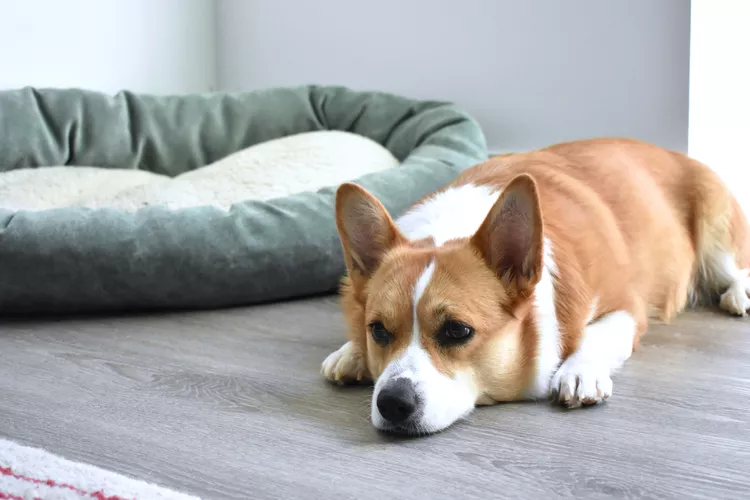
Losing a pet is a difficult situation for everyone, including the other dogs in the household. You may not realize it, but dogs do grieve the loss of a companion. If you are dealing with the death of one of your dogs, there are several things you can do to help your remaining dog (or dogs) get through this difficult time.
What to Expect After Your Dog Loses a Friend
Just like people, all dogs react differently to loss. Some dogs seem to act completely normal, while others get deeply depressed. Certain dogs may develop health or behavioral issues. Here are some common dog reactions to the death of another dog:
- Behavioral Changes: Some dogs may change some of their behaviors after another dog dies. Grief can even alter a dog's personality. If the dog that has passed away was a leader, the dog left behind may feel it's now his responsibility to take on that job. You may notice him barking more at passersby or acting more outgoing and confident. Or, you may notice your dog becomes quiet and withdrawn.
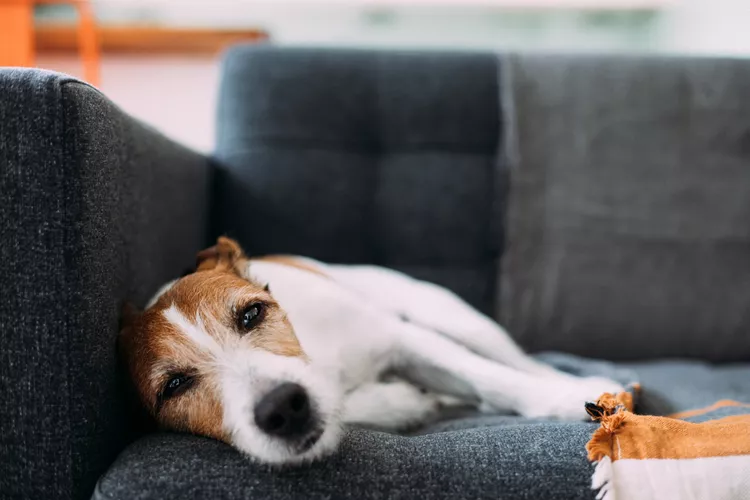
- Physical Symptoms: The dog left behind may have physical symptoms in response to the loss. Some common symptoms include lethargy, loss of appetite, and sometimes even illness.
- No Signs: Some dogs may not show any signs after losing a companion dog. They may hide the signs of grief as a means of self-protection, similar to the way dogs sometimes hide their pain.
Stick to Your Routine
No matter how your dog reacts to the loss of another dog, he is probably feeling some kind of stress over the changes in the household. One of the best ways you can help your dog adjust to the loss is to stick as carefully as possible to his normal routine. Continue feeding him and walking him at the same time. Sticking to the usual schedule can help a great deal in reducing his stress. Keeping on a routine can also help you cope with your own grief.
Provide More Exercise and Stimulation
Chances are, the dog that passed away played a large role in the day-to-day life of your other dog. They may have played together or napped together. One may have acted as a leader to the other. Losing this relationship may leave the remaining dog feeling bored and anxious. You can help your dog deal with boredom and anxiety by providing him with more exercise and mental stimulation.
Fortunately, there are some things you can do to help keep your dog's spirits up.
- Take your dog for an extra walk each day.
- Provide plenty of interesting toys
- Start an obedience program or work on honing your dog's current skills.
- Play extra games like fetch or tug-of-war.
- Spend extra time cuddling and bonding with one another.
Should You Get Another Dog?
One of the first pieces of advice many people hear when they lose a dog is to run right out and get another dog. This is not always the right choice. Before you get another dog, there are some things you should consider.
- Ask yourself whether you're ready for another dog. Your life may have changed a great deal since you first brought your dog home, and new dogs are a lot of work. Make sure you are absolutely ready for this commitment before you bring home a new dog.
- Make sure your dog will accept another dog. Just because your dogs were inseparable until the day one of them passed away, does not mean the remaining dog will have the same relationship with a new dog. You may want to visit a dog park or plan some doggie play dates with other dogs to see how your dog reacts before bringing home a new dog.
- Consider letting your dog help select your new dog. If you do feel that you and your dog are ready to add another dog to the family, let your dog help you choose a companion. Many shelters and breeders will allow you to bring your dog to meet their dogs. Allowing the dogs to meet first gives you the chance to find the best companion for your dog.