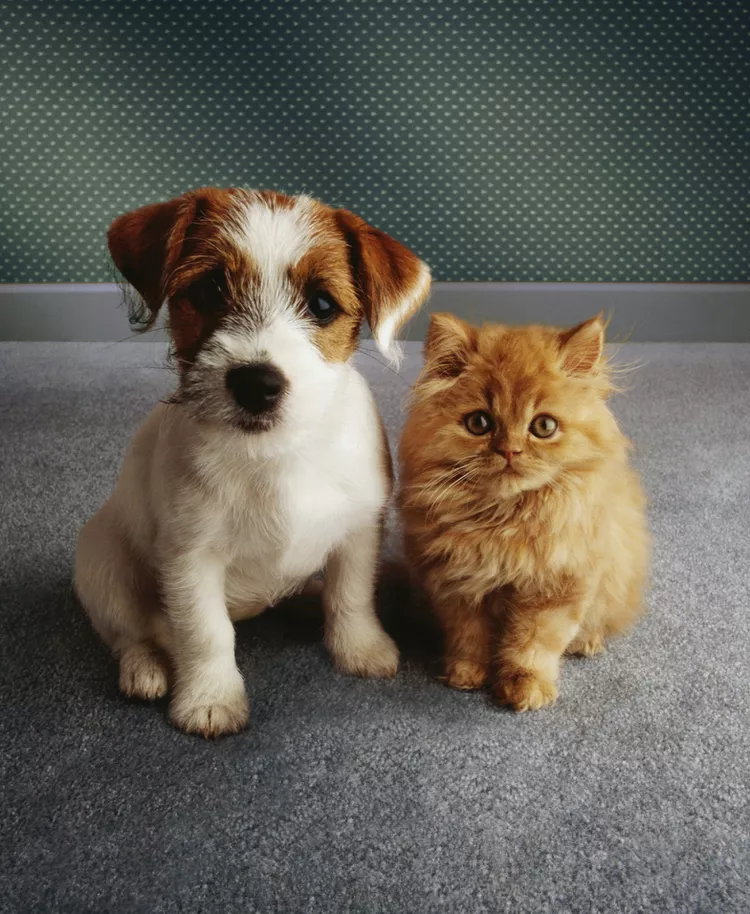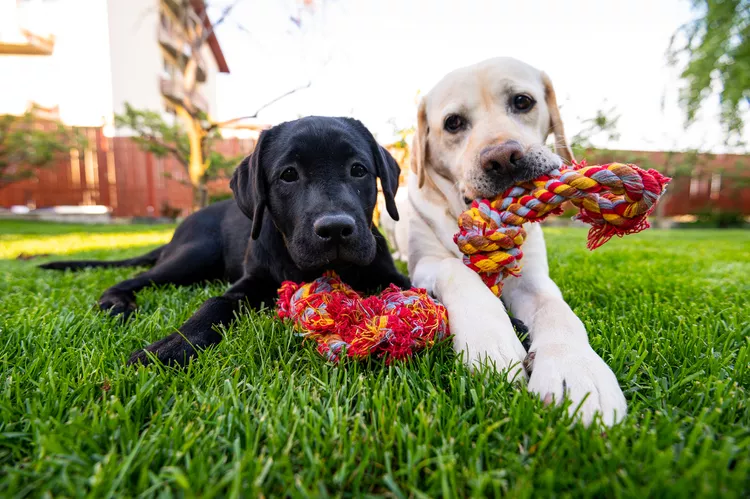
Puppies can be pretty adorable to begin with, but a puppy with the hiccups somehow manages to be that much cuter. Why do dogs hiccup and at what point should you be concerned?
Why Do Dogs Hiccup?
Your dog's respiratory anatomy is actually quite similar to your own. Just like you, they have a diaphragm muscle that separates their chest space from their abdominal space and just like you, this smooth muscle is what allows your dog to breathe without even having to think about it. When the diaphragm contracts your dog inhales and when it relaxes your dog exhales. So when your dog's diaphragm spasms, just like when your own diaphragm spasms, it causes the body to quickly intake air, causing your dog to make a 'hic' sound as they breath in quickly through their mouth.
Sometimes, reverse sneezing may be confused for hiccups, but in fact these are two different behaviors entirely. Reverse sneezing occurs when your dog quickly and forcefully sucks air in through their nose. The sound this creates occurs at a much more rapid interval and has a different sound than the 'hic' sound created from a dog hiccuping.
Hiccups are most commonly seen in puppies. They can be seen occasionally in senior dogs and are less common in adult dogs.
Believe it or not, the true purpose and reason for the development of hiccups in dogs, and people as well, is unknown. That being said, there are some theories as to what can cause hiccups in dogs. Some purported causes include:
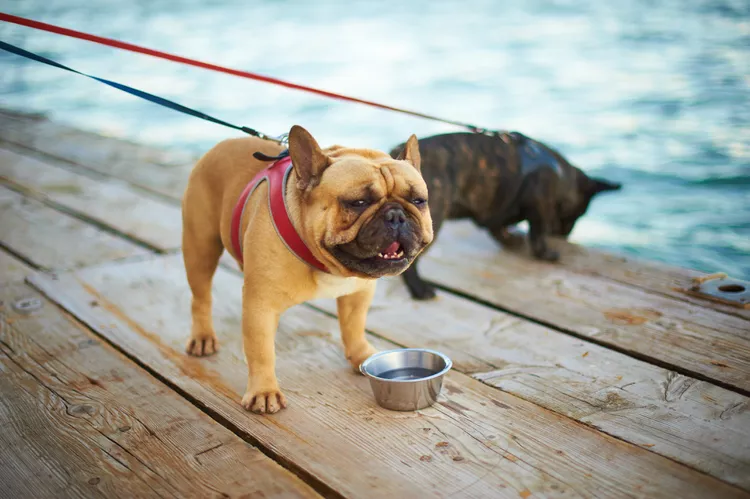
- Drinking water too fast
- Eating too fast
- Excitement and energetic play
- Stress
If your dog drinks or eats too fast, they are probably ingesting just as much air as they are water and food. Some think that all this air in your dog's stomach can put pressure on their diaphragm and cause hiccups.
Rambunctious play time, especially in puppies, can cause the participating dogs to breath very rapidly, which may trigger hiccups.
Stress may also trigger hiccups, since panting is a coping mechanism for dogs that are in distress. It should be noted, though, that other 'oral' behaviors, such as lip licking and yawning, are more commonly seen stress behaviors than hiccuping.
Treatment
Most of the time, your dog's hiccups will be short lived and self-limiting, meaning they will go away on their own. If your pup seems miserable with their hiccuping, though, there are some things you can do to try to calm their diaphragm down.
You can try giving your dog a small amount of water to drink. Just be sure that they drink it slowly and calmly. You can also try gently massaging their chest area. This can help calm your dog down, especially if they completely relax on their back, like when getting belly rubs. Finally, if your dog gulps their food and water, consider feeding multiple, small meals a day as opposed to just one or two meals. You can also implement slow feed bowls and puzzle feeders to help slow down your dog at mealtime.
Warning
You may have heard to give your dog a spoonful of honey, maple syrup, or karo syrup. It's better for you not to do this, as many of these products contain a sweetener call xylitol that is toxic to dogs, causing life-threatening hypoglycemia (low blood sugar). These types of sugary syrups can also be harmful to diabetic animals. Though giving your dog one of these substances could go off without a hitch, it's better to be safe than risk potentially harming your pet.
When Should You Be Concerned By Your Dog's Hiccups?
Hiccups in dogs can be benign if they happen on occasion and stop almost as quickly as they start. If, however, your dog begins to develop regular, prolonged hiccups, especially in conjunction with other symptoms, you should consider checking with your vet. Symptoms such as coughing, sneezing, and/or heavy/trouble breathing when at rest in conjunction with hiccups may be indicative of a heart or a respiratory problem. If you see vomiting or diarrhea, that may be indicative of a gastrointestinal issue, such as an intestinal parasite.
Hiccups can be cute to witness in your dog and for the most part, and they are of no real medical concern. So next time your dog starts hiccuping, try giving them a few pats on their chest to help them ride it out.