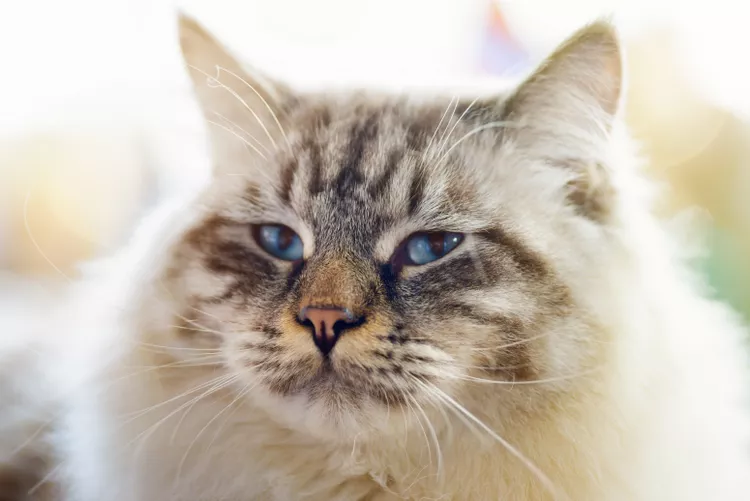
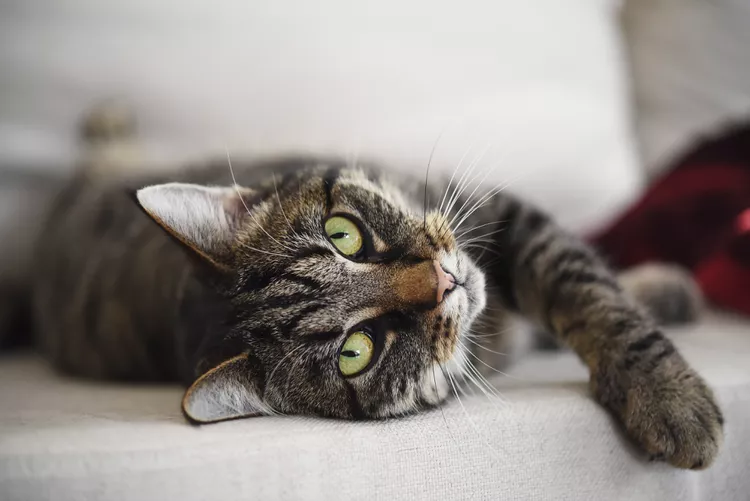
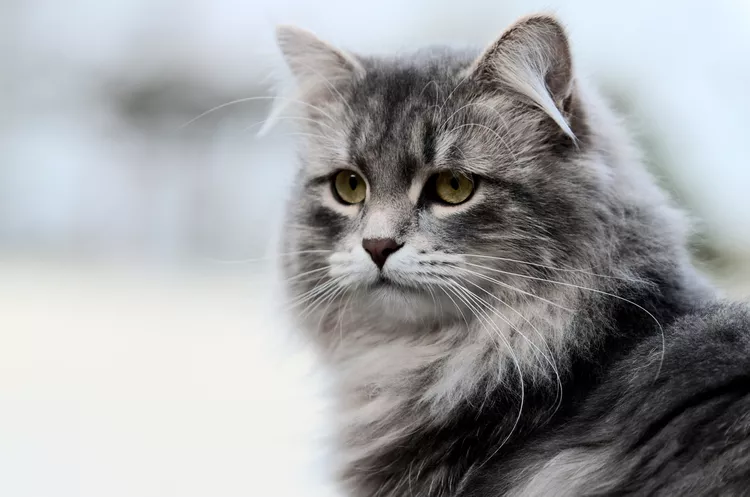
Cats are known for their long facial whiskers. We all know that they are a normal part of a cat's anatomy, and many assume they are decorative. However, cat whiskers are complex anatomical features that are directly wired into your cat's nervous system.
Each whisker on your cat's face is anchored deeply to a receptor in the cat's skin. An electrical impulse signal is sent to the cat's brain when the cat's whiskers are touched, but these receptors can become overwhelmed, which is known as whisker fatigue.
What Is Whisker Fatigue?
You may have never heard of the term, but whisker fatigue refers to a condition in cats where their whiskers, and the touch receptors they are connected to, become overwhelmed. When these receptors fire repeatedly and often, the influx of all of that stimulation into the cat's brain becomes too much.
Though there is credible evidence that this overstimulation of whiskers is an issue for some cats, the term "fatigue" is not an entirely accurate description. Cats that are being bothered by overstimulation of their whiskers are not experiencing fatigue but instead are typically stressed, anxious, and uncomfortable. Some veterinarians prefer the term "whisker stress" to describe this condition.
Signs of Whisker Fatigue in Cats
Whisker fatigue is not an actual disease as much as it is simply a condition cats may experience. Though it may cause discomfort and stress for your cat, they are not "sick" in the traditional sense of the word. However, whisker fatigue may significantly diminish a cat's quality of life. Severe cases may result in a cat that becomes dehydrated or malnourished if they refuse to eat and drink.
Cats suffering from whisker fatigue will typically show signs such as agitation, restlessness, foul mood, decreased appetite, and aggression. If your cat is suffering from whisker fatigue, you may notice the following signs:
Causes of Whisker Fatigue
Though not well known or widely recognized by cat owners, whisker fatigue is considered fairly common. Most cases of whisker fatigue in cats are a result of repeatedly rubbing their whiskers on the side of food and water bowls.
A cat's whiskers are integral to their exploration and navigation of the world. Whiskers also play a role in a cat's balance and inform them of space restrictions. When a cat's whiskers are repeatedly overstimulated, they can become confused and agitated. Cats' brains are unable to decipher which of the incoming messages are meaningful and which are not. The result is confusion and stress.
Diagnosing Whisker Fatigue in Cats
Whisker fatigue is typically a diagnosis of exclusion. If your cat is restless, aggressive, or showing other signs of stress and discomfort, the first thing to do is to make them an appointment with their veterinarian. Many true medical conditions may also cause these signs, and a proper diagnosis is essential.
Your cat's veterinarian will perform a thorough physical exam and will ask you to provide an in-depth history. Be prepared to describe your cat's home situation, eating and drinking patterns, as well as any odd behaviors you may have witnessed. Take note of external factors that may be playing a role in your cat's stress, such as the addition of a family member, travel, diet change, other pets being introduced, new wildlife outside and near the home, construction, etc.
Because cats cannot convey how they are feeling and tend to hide illnesses, it can be challenging to determine what is bothering them. Further diagnostics may need to be performed depending on the information that your veterinarian gets from the history and physical exam. These may include blood work, a urinalysis, X-rays, and ultrasounds.
After other causes have been ruled out, your veterinarian may suggest attempting to reduce causes of whisker fatigue for the cat to see if they improve. Other causes of stress may be eliminated by enriching the cat's home environment and also controlling or eliminating outside stressors. In some cases, medication may be necessary as part of a comprehensive stress relief plan for the cat.
Treatment
Treatment of whisker fatigue in a cat is simple. To start, take away any bowls with deep sides that may rub on your cat's whiskers and swap them with a flat dish like a dessert plate or paper plate. Water bowls can be kept very full so that the cat can easily lap up water from the surface. Large, pan-shaped water receptacles are also a good idea as they provide a large area for the cat to drink from without bumping their whiskers on the sides. Alternatively, many cats enjoy drinking from a running water source, such as an automatic fountain.
Prognosis for Cats with Whisker Fatigue
If your cat is bothered by whisker fatigue, the good news is that their prognosis is excellent. A few simple and easy lifestyle changes and a little time will be all that is required to help them feel like themselves again.
How to Prevent Whisker Fatigue
Even if your cat is not currently showing signs that suggest that they are suffering from whisker fatigue, it may be a good idea to provide flat and wide eating dishes and appropriate water sources in order to prevent the issue.
As an important note, you should never trim a cat's whiskers. Though some owners may think this would be an effective way to deal with whisker fatigue, it is absolutely not. As mentioned previously, a cat's whiskers are integral to their perception of the world.