Ants can be annoying pests and keeping them out of your home can be difficult, especially in the spring and summer. From getting into food to crawling into the bathroom, having bugs around is unpleasant enough to send most people running for ant-killer. But, are ant traps safe for cats? If you have a cat, it is important to note that some methods of ant-control could be dangerous and even toxic to your pet.
The Problem With Ant-Control Products
Many insect traps, such as those used to kill ants, contain attractants like butter or peanut butter, which cats may also be attracted to. The active ingredient in these traps is often Borax or Avermectin, which are considered safe around cats in the small quantities within these traps. So while the bait dosage is likely too low to cause any signs of toxicity in your cat, there is a danger that your cat could also ingest part of the plastic or cardboard container, causing irritation to the digestive tract, or even an intestinal blockage. Some other kinds of traditional sprays and repellents can be toxic to your pets, however, so it is important to always check the ingredients and avoid any products that may be harmful to your pets. This is especially true for cats in regards to any products containing Pyrethrins, such as Permethrin, which are very toxic even in small doses. The safest approach may be to focus on preventative efforts to keep ants from coming into your home in the first place. If bugs still find a way to invade, you can also try natural methods to keep them at bay and protect your home and cat.
Pet-Safe Ant Killer Alternatives
- Prevention is the best cure. Keep kitchen and dining areas scrupulously free of food, including dishes in the sink. Wipe up all water spills and repair any dripping faucets.
- Store your food carefully. Put all of your shelf-stable food in airtight containers. Cereal boxes, pasta boxes and other cardboard containers are too easy for bugs to infiltrate. Use plastic or glass containers with a seal.
- Create your own ant trap. Combine 1/3 cup molasses or honey, six tablespoons of sugar, and six tablespoons of active dry yeast. Put it in a container such as a canning jar, and punch holes in the top. Place the trap outside the house near the ants' entry point. The ants will be tempted by the sugar content but will be trapped in the mixture due to its consistency.
- Draw a chalk line around the foundation perimeter. Ants generally won't cross the line.
- Find the location where ants are entering your house. Outside of that point, sprinkle cinnamon, cucumber peels, or lemon juice, all of which are natural ant repellents. Sprinkling paprika, coffee grinds or chili pepper can also be an effective ant deterrent. The spice of those herbs is repugnant to ants.
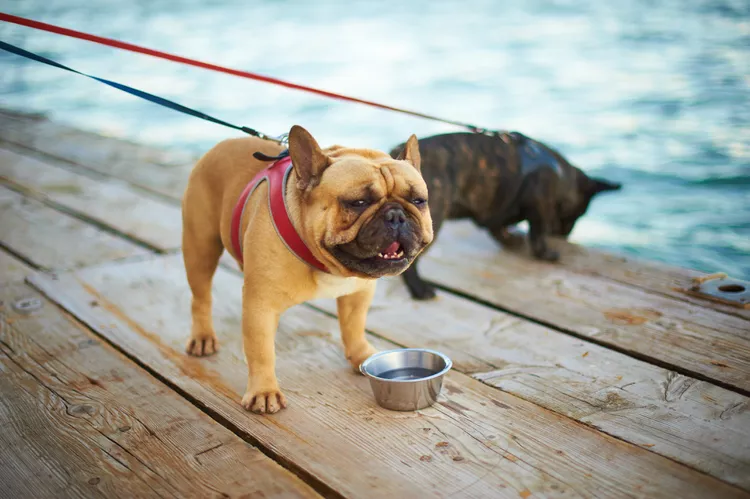
- Keep ants out of your cat's food: Create a 'moat' by placing your cat's food bowl inside a second slightly larger bowl. Fill the small space between the bowls with a little bit of water. The ants won't be able to reach the food bowl without falling into the water in between the bowls. The outer bowl should be small enough to allow your cat to easily reach the food bowl; an inch or less between the bowls is plenty of space. Also, make sure to keep their feeding area as clean as possible. Remove all crumbs and food debris right after meals and make sure to wash and dry the bowl between feedings.
- Locate the source. Follow the trail of ants to find out where they are coming in. There may be a small hole or gap in the wall or floor. Once you identify the area, caulk or fill the hole to keep any more bugs from sneaking in.